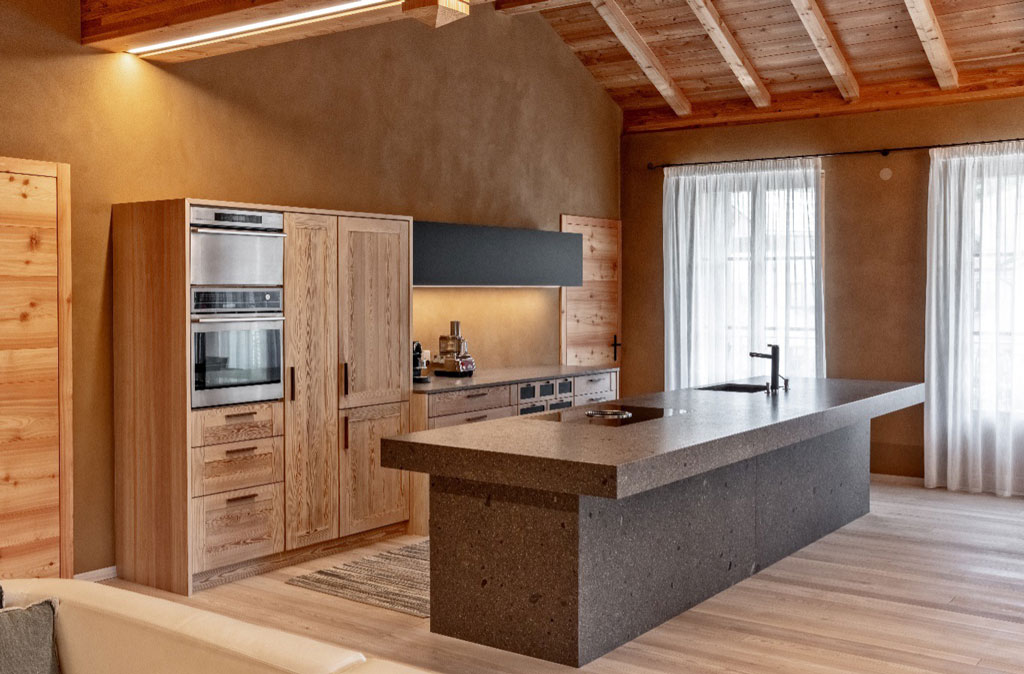
Passeier gneiss garnet, also known as Alps Glitter, formed 300 million years ago and is mined in the Passeier Valley in South Tyrol.
May 22, 2026
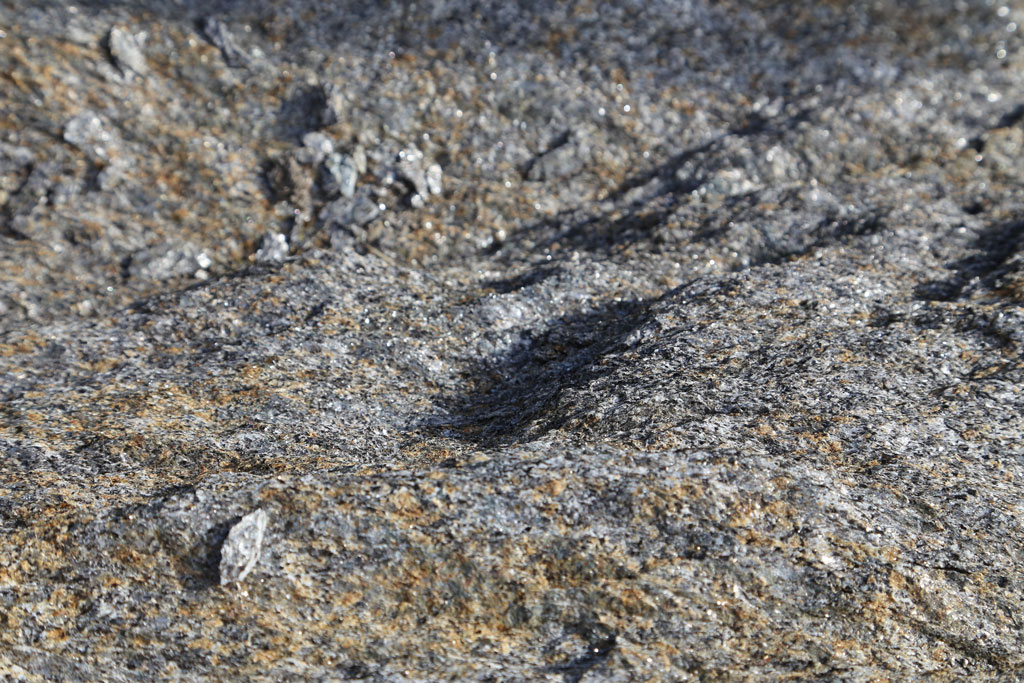
The extraction of raw materials is nothing new in the Passeier Valley. Miners were already mining copper, tin, and lead on the Schneeberg as early as the 13th century.
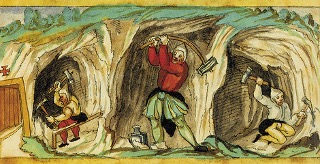
People even searched for and dug up silver. In 1237, a notary from Bolzano spoke of “the fine silver from Schneeberg.”
Today, the mining of Passeier garnet gneiss serves as a reminder of that treasure hunt.
The first blocks of this silvery, glittering stone were found near Moos in the riverbed of the Passer. The discovery was actually a coincidence. People had been searching for large-crystalline marble needed for the design of a sanctuary in Sterzing.
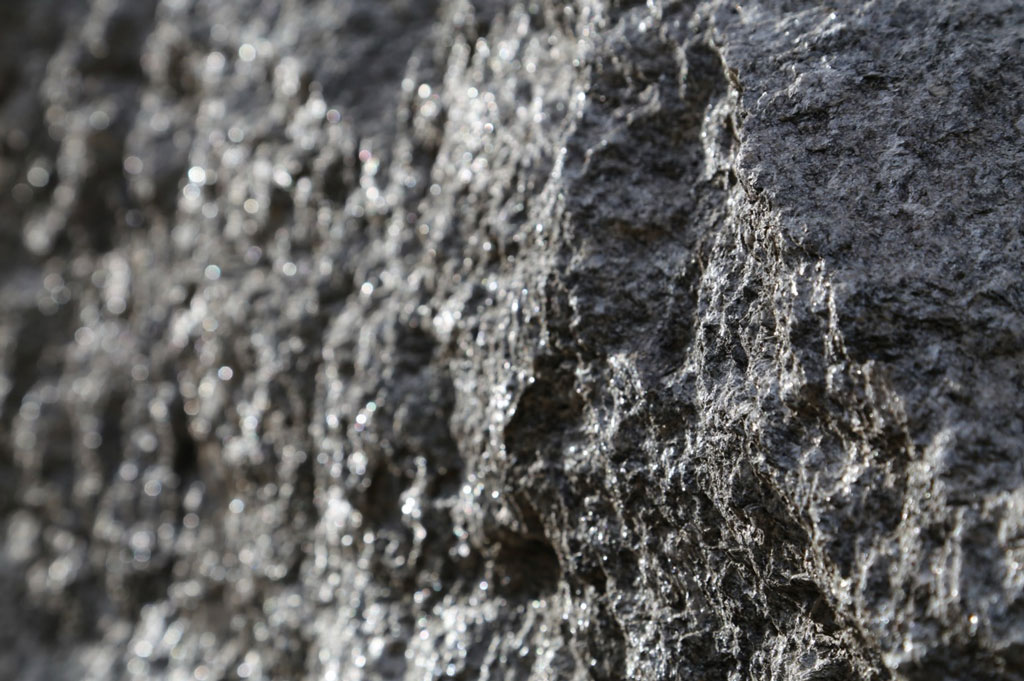
Today, Passeirer Gneiss Granite is quarried right next to the Passerschlucht gorge, between St. Leonhard and Moos.
Mining methods have certainly changed since the 13th century. Today, the raw material is cut or drilled out of the rock using modern technologies, without any blasting at all.
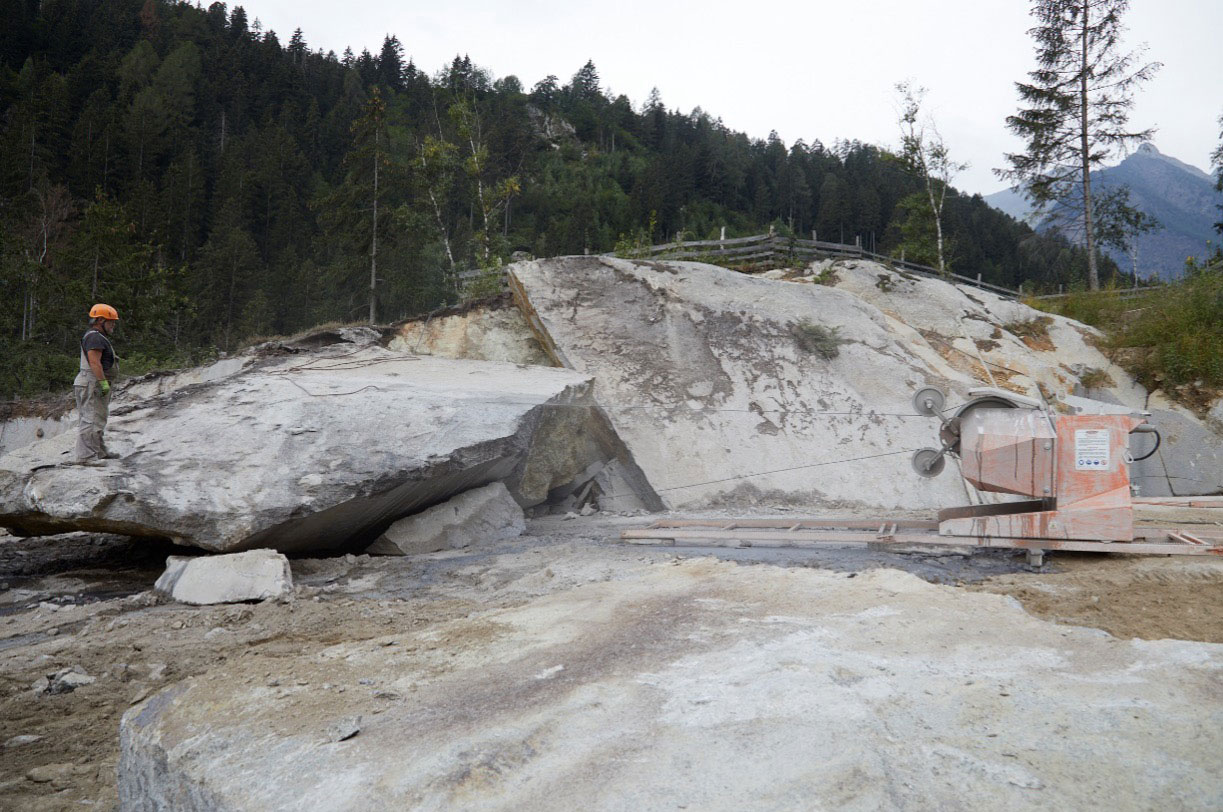
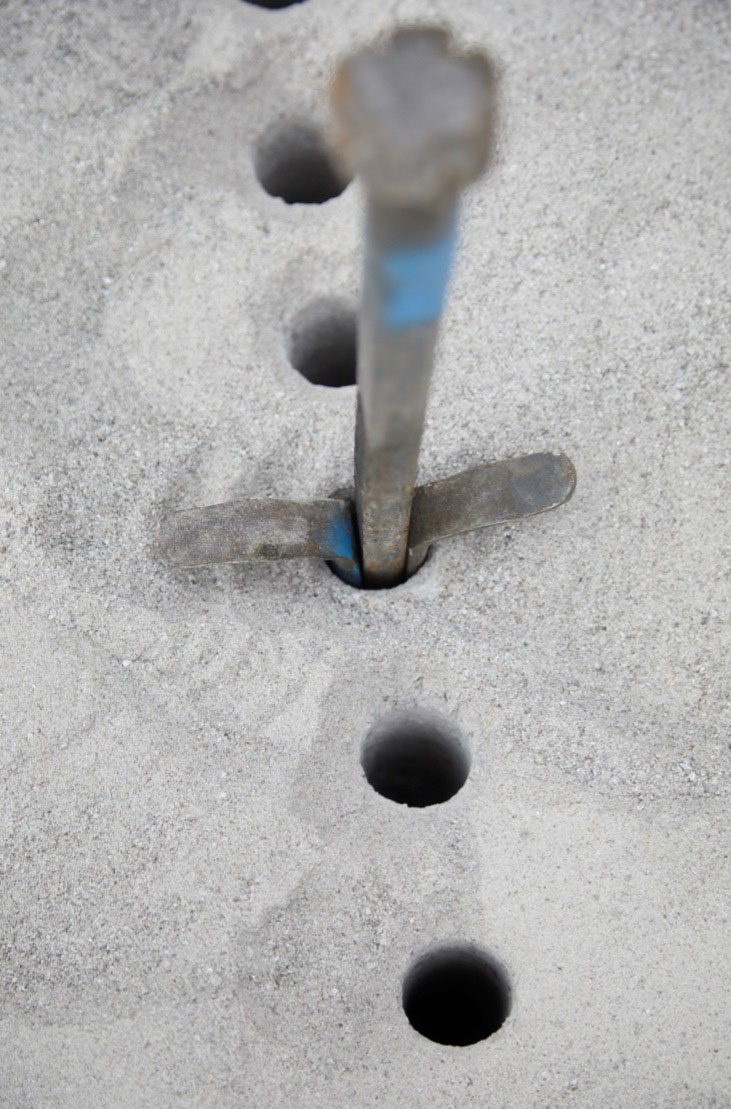
However, an understanding of natural conditions and the expertise of today’s “miners” are just as essential now as they were 700 years ago.
After all, nature alone determines the quality of the material, and every crack-free centimeter is valuable; it ultimately determines whether a kitchen countertop of the required length or a bathroom backsplash of the desired height can be produced—or not—later on in the stonemason’s workshop.
Thus, mining is and always will be a struggle against nature, one that requires a great deal of sensitivity and determines the success or failure of the enterprise.
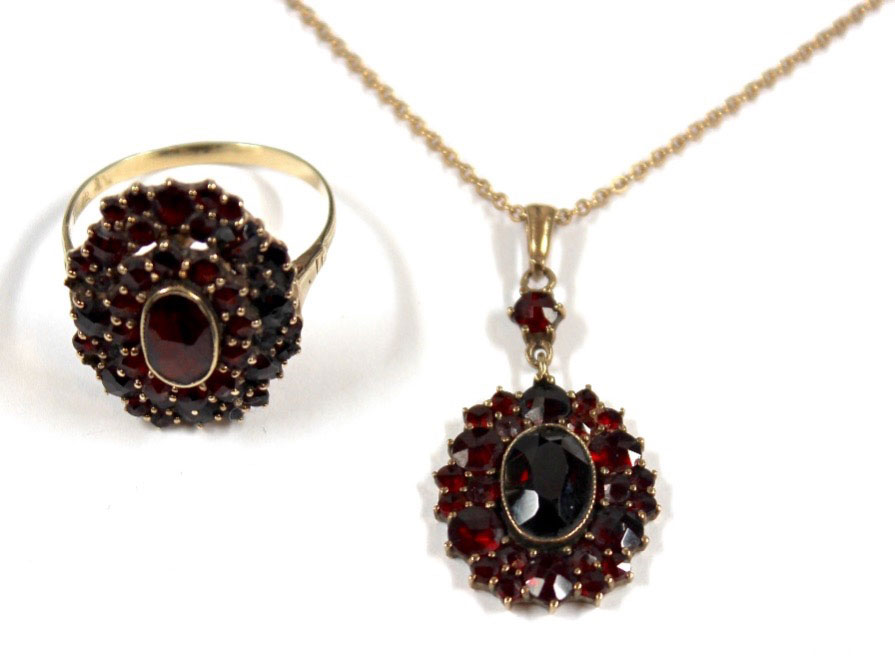
In addition to its silvery sheen, Passeier gneiss garnet has another distinctive feature: it is studded with red garnets. These semi-precious stones were once used as gemstones and worn in gold or silver settings as earrings or on necklaces. They were also frequently used to make traditional folk costume jewelry.
Passeirer Gneiss Granat is a very dense natural stone suitable for all indoor and outdoor applications.
Its versatility—whether used as a patio floor, in stairwells, in bathrooms and spa areas, or as a kitchen countertop—makes it a true all-rounder and allows architects and builders to create cohesive designs using a sustainable, locally sourced material.
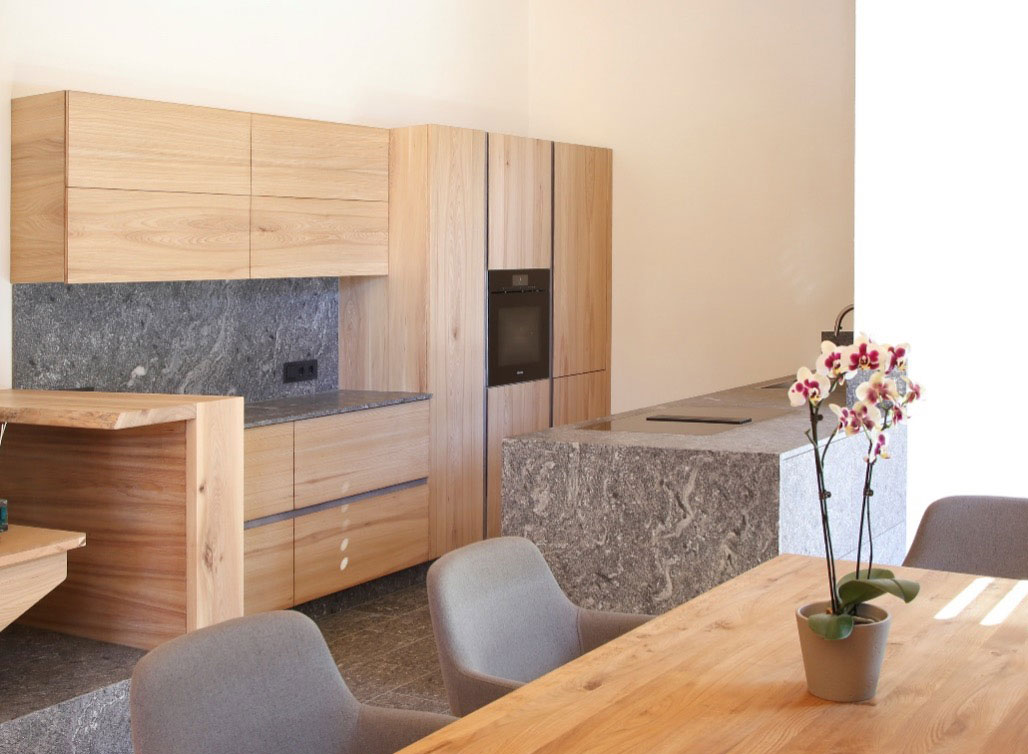
Local natural stones reflect the uniqueness and natural beauty of South Tyrol. By incorporating them into the design of your living spaces, you bring a piece of this magnificent natural spectacle into and around your home, allowing you to see it, walk on it, and appreciate it anew every day.